
 1
1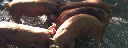 2
2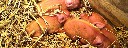 3
3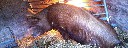 4
4Breed Information
The Tamworth
The Tamworth is one of the oldest pig breeds. It is the most direct descendant of the native pig stock of Europe that in turn descended from wild boars.
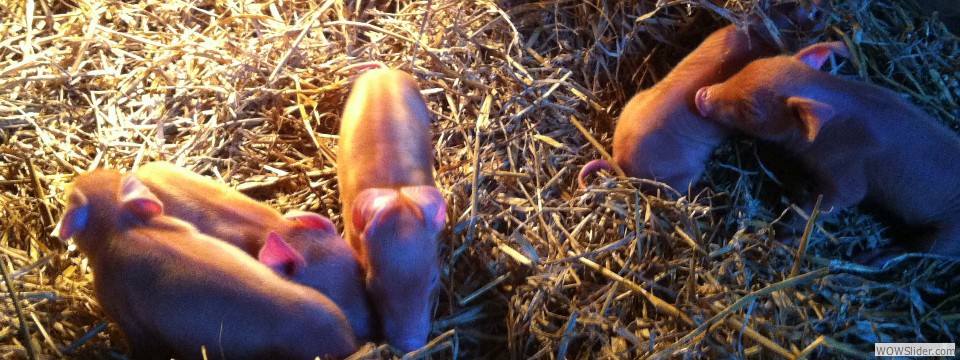
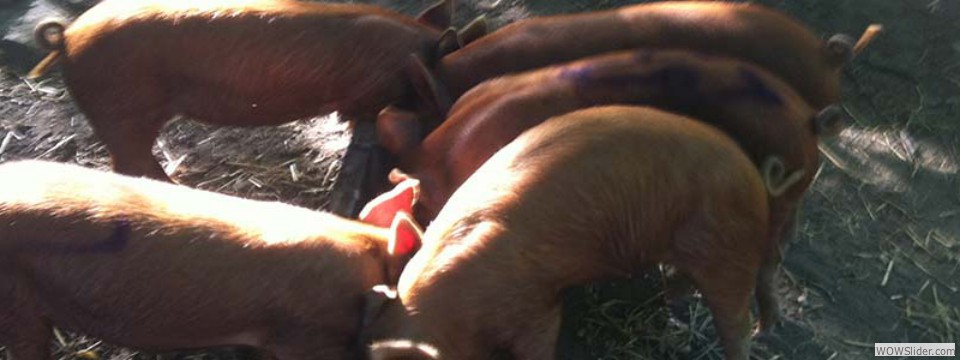
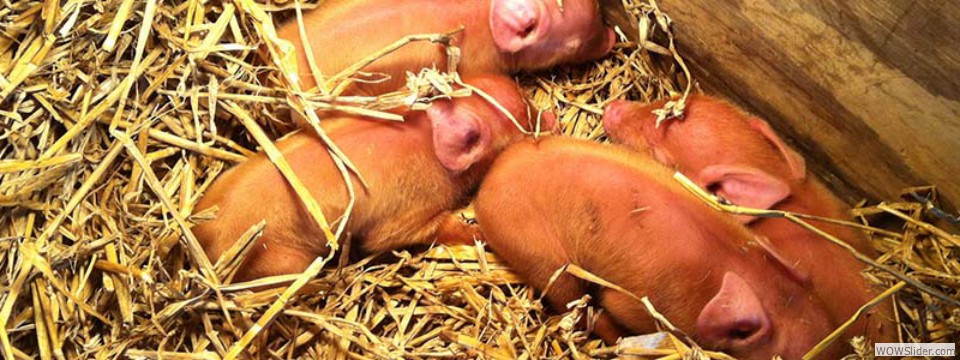
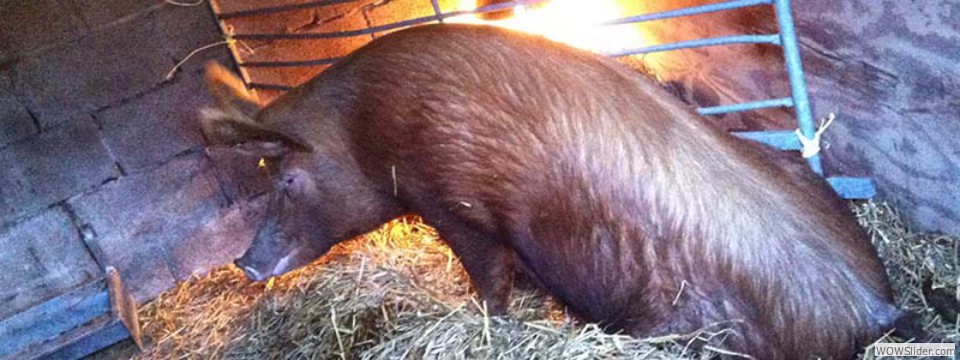
Tamworth pigs originated from Tamworth in Staffordshire, England, from around the beginning of the nineteenth century. The breed is regarded as being of a rather primitive type with a long snout and pricked ears, and it has been described as possibly the purest representative of the native English pig. Its most distinguishing feature is its unusual golden-red colouring. It’s a gorgeous Ginger!
The breed was well established by the 1870s and its first Herd Book was started in 1885.
The Tamworth is one of the great ‘dual purpose’ pigs producing stunningly good pork as well as equally tremendous bacon and the best crackling. In the mid 1990’s the Tamworth came top in a taste test carried out by Bristol University using both commercial and rare breed pigs in a scientifically controlled experiment
The sows are good mothers and litters normally range in size from six to ten piglets. They generally have a good temperament and enjoy the attention of people, especially a good scratch and can be vocal around feeding time.
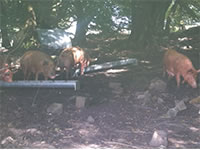
With its pricked ears and ginger skin it is ideally suited to outdoor rearing systems, being used in woodland and scrub reclamation projects. The best rotovator you will ever find!
Currently the Tamworth is classed as being a breed at RISK! There are not enough pedigree breeders around.
BPA Breed Standard
Coat |
Golden-red, abundant, straight and fine and as free from black hairs as possible. |
Head |
Not too long, face slightly dished, wide between ears, jowl light |
Ears |
Rather large with fine fringe, carried rigid and inclined slightly |
Neck |
Light, medium length, proportionately and even set on shoulders. |
Chest |
Well sprung and not too deep |
Shoulders |
Light, free from coarseness and in alignment with forelegs below and with sides as seen from front |
Legs |
Strong and shapely, with good quality bone and set well outside body; pasterns short and springy, standing well up on toe. |
Back |
Long and deep. |
Sides |
Long and of medium depth |
Loin |
Strong and broad |
Tail |
Set high and well tasselled |
Belly |
Straight underline with at least 12 sound, evenly spaced and well placed teats starting well forward. |
Flank |
Full and well let down |
Hams |
Well developed with plenty of width and giving a firm appearance |
Skin |
Flesh coloured, free from coarseness, wrinkles or black spots. |
Action |
Firm and free |
WELSH - comming soon to our farm
These sows make good mothers and have a friendly temperament.
Welsh pigs are a droop or lop-eared white breed with slightly dished faces. The lop ears meet at the tips just short of the pig's nose. They have shorter legs than most other popular breeds, but have very long bodies, especially considering the length of leg. They are also quite muscular and lean.
Welsh pigs are known for their hardiness and ability to thrive under a wide variety of conditions, both indoor and outside.
George Eglington acknowledged as the founder of the modern Welsh breed described the perfect Welsh pig as 'pear shaped' when viewed form either the side or from above.
Why not join us on